
A deep discussion with age contemporaries led us to the topic of obesity, which led us to reminisce about the good old days when we were young and everything was as it should be. We all agreed that overweight or obese children were very rare back in the day, but is it true? I had the idea to look at a group photo from my junior high class of 1973. Out of a few hundred students, maybe five were noticeably overweight. Our friends at the CDC tell us that presently around 22% of teens are obese, and over 40% of adults. Of course health experts can be pretty slick by using words with vague or flexible definitions (I was a small part of this world for decades- the number of people with any given condition or illness can be massaged, for example, by lowering the threshold for diagnosis; it’s much easier to obtain grants if one can claim more than less people are affected). At the moment obesity is defined as a Body Mass Index of 30 or more. For example, a person 5’5” enters the world of obesity at 180 lbs; 6’ 0”at 220.
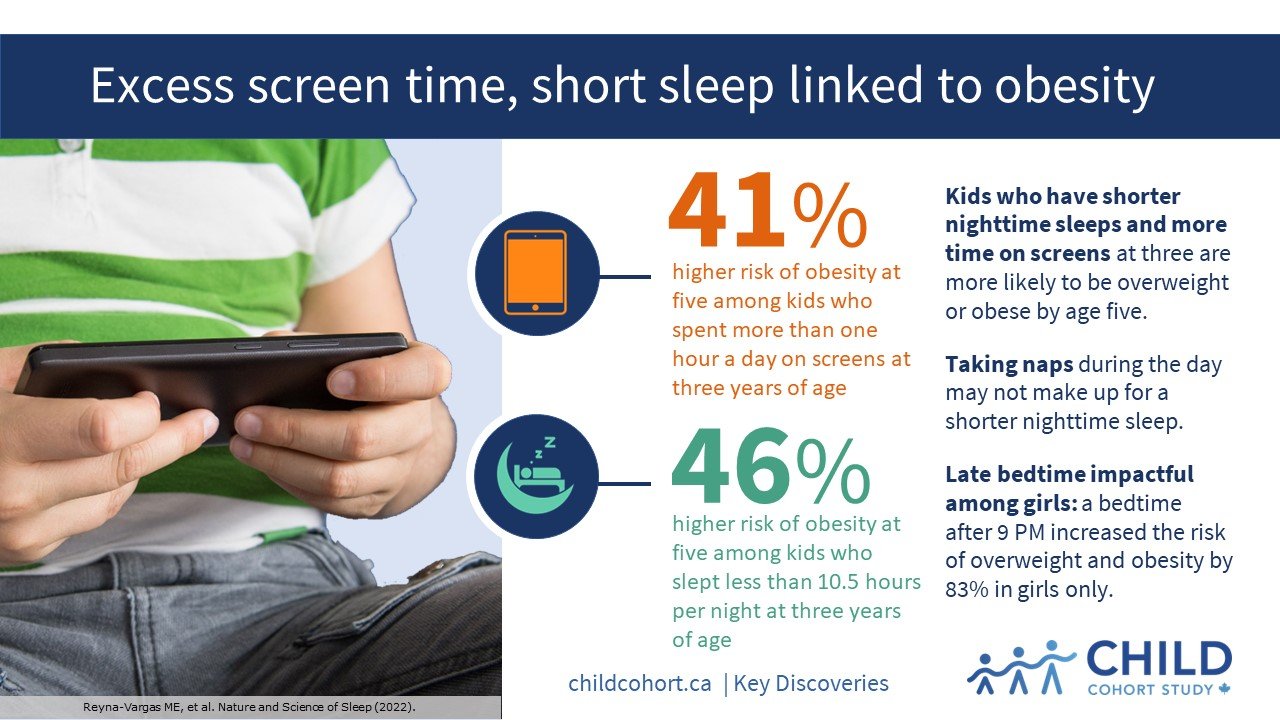
Obesity undeniably leads to serious, expensive, and often fatal health problems and provides endless fodder for high level theorizing in the medical world and among politicians, behaviorists, social scientists, the pharmaceutical industry, and all manner of experts at policy making levels. The conclusions vary, but the commonality is that obesity is a “disease,” and somehow must be a “treated.” Of course, those of us old enough to have “back in my time” recollections when obesity was rare, naively hypothesize this was because, as kids, we were expected to spend lots of time playing outside the house, sugar and fat-laden snacks were for special occasions, prepacked processed meals were the exception, and “screen time” was a few hours a week in front of a 12 inch black and white TV watching the roadrunner outwit the hapless coyote.

From the National Institutes of Health website, 2014: In June 2013, the American Medical Association (AMA) House of Delegates voted to recognize obesity as a disease state requiring treatment and prevention efforts...The stated purpose for this decision is to improve research into the causes of obesity, leading to improvement in methods to prevent and treat it, ultimately improving patient health and outcomes. This decision would be expected to improve insurance coverage and reimbursement to providers for treating individuals with obesity. In addition, this change in public policy by the AMA supports the concept that obesity is a serious disease that requires treatment and also removes the stigma currently associated with obesity (i.e., it is not just a poor lifestyle choice). Also, the AMA recommended “working with third-party payers and governmental agencies to recognize obesity intervention as an essential medical service.” The idea of eating less and being more active is passe, even considered ignorant and hateful, replaced by the establishment with the “disease” model.


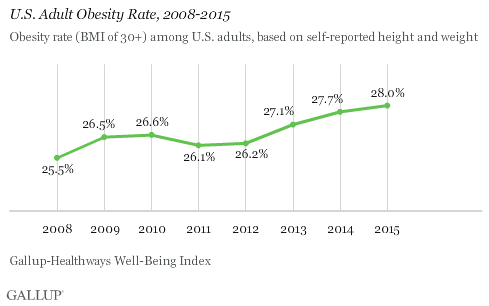
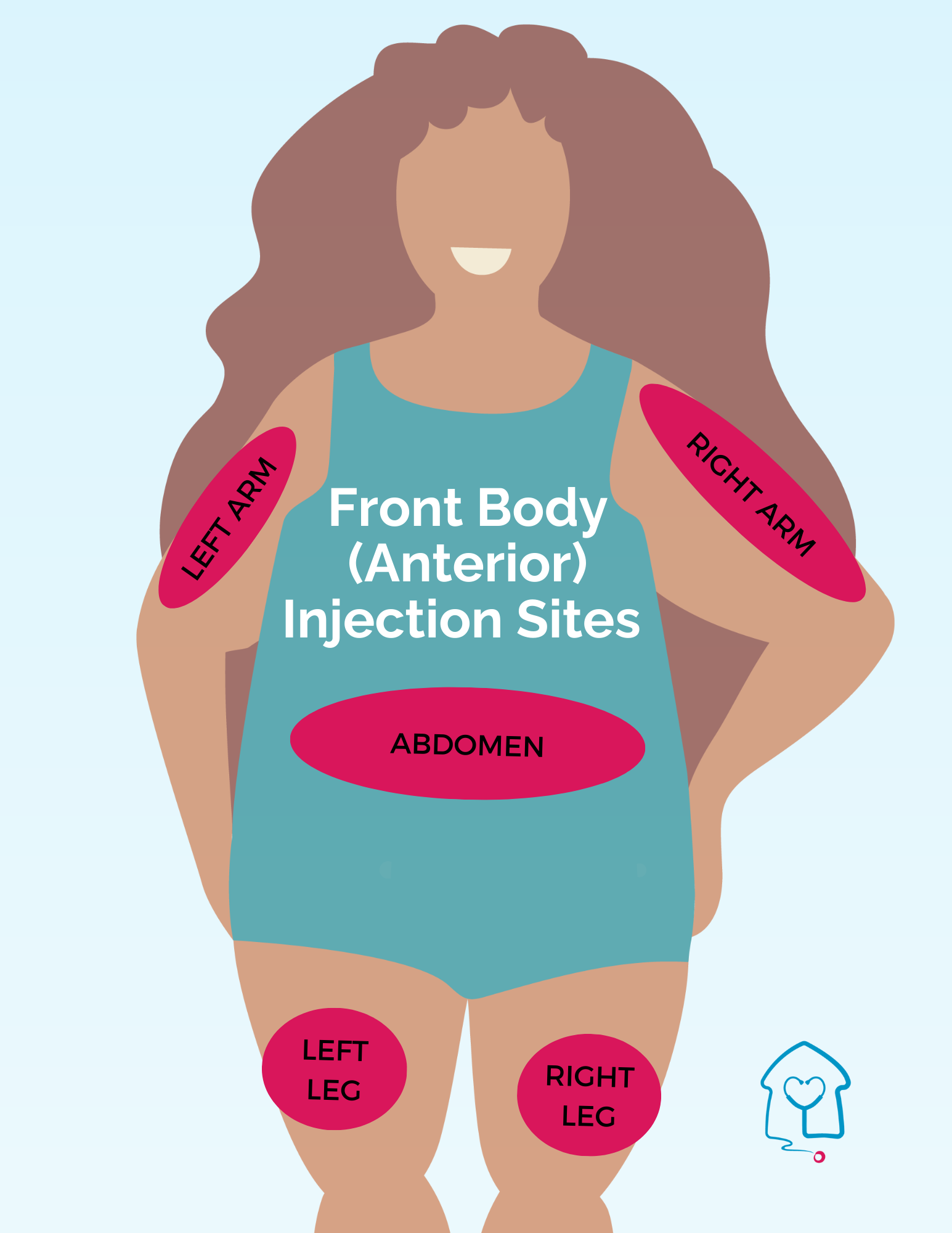
Obesity stats, like most health-related stats, vary from source to source and be manipulated, but there is enough consistency to state that the incidence of obesity was a little over 13% in the US in the 1960s with the most recent data putting us at 43% (I’m doing my own stat cherry picking here, but one source- Gallop- pegs us at 27% in 2013 when the establishment declared it a “disease,” which suggests a significant increase since the great minds declared it must be “treated”). Diseases are, of course, commonly treated by drugs, and what better way to “treat” obesity than by a weekly injection at the cost of $1,000 a month? The drugs in question are called glucagon-like peptide-1 (GLP-1) receptor agonists, first approved for use to treat type 2 diabetes in 2017, of which the most well-known is probably Ozempic (generic name semaglutide). It was observed there was a tendency to loose weight among those taking it, and the era of effortless weight loss had begun. By 2023 semaglutide was the top-selling medication in the US, with expenditures of $38.6 billion.

Historically type 2 diabetes was a condition limited to adults, and overwhelmingly overweight adults (roughly 85%). I actually remember the first time I heard of a kid with type 2 diabetes, sometime in the early 1990s, and thinking, “Wow, that’s really weird.” The prevalence of obesity in children aged 12-19 in 1970 was about 5%, by 1990 10%, and the current estimate is about 22%, and the incidence of type 2 diabetes in children has pretty much mirrored the obesity trend. Jan. 2023 the FDA approved semaglutide for treating obesity in kids aged 12 years and older.


It’s important to understand that, in order to sell the “disease model,” people/patients need to be regarded victims, and to accomplish this any social stigma- recently referred to “fat shaming-” must be removed. From the statement of the Los Angeles Children’s Hospital: “obesity is a complex, chronic disease—not a matter of willpower or lifestyle choices alone...for some children, a staged approach focusing on a healthy diet and regular physical activity may be effective, but for others, medical interventions—including surgery—may be the most appropriate first step...we are committed to breaking the stigma around obesity…” From the BBC in 2019, “Obesity is not a choice and making people feel ashamed results only in them feeling worse about themselves, a report by top psychologists says.”
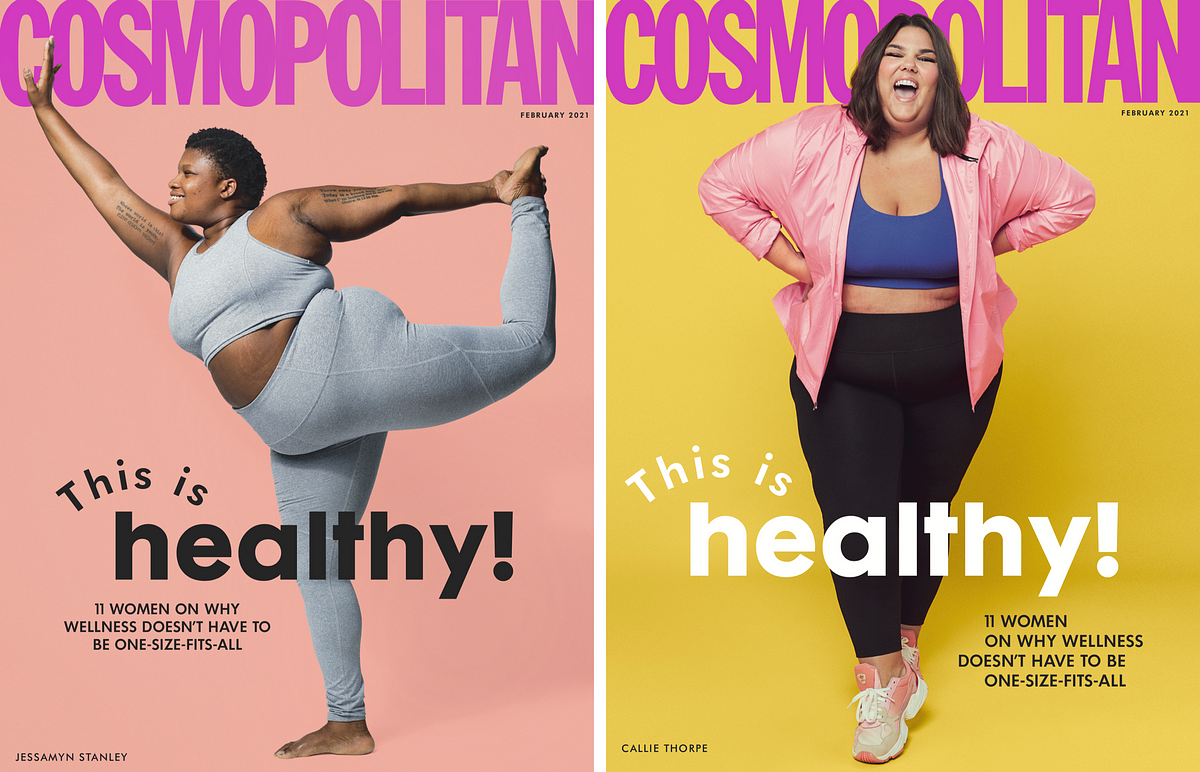
When reading statements and position papers from the establishment science world you will often see the term “evidence-based,” and sometimes it does have meaning. Unfortunately, it is also used as a way to shut down skepticism: who could possibly question or refute something that is “evidence-based.” The answer is, of course, only uneducated, ignorant, and unsophisticated morons- conspiracy theorists who have the gall to not believe everything they are told and, even worse, consider their own observations and experiences. Hence, such a person might look at the obesity statistics in the 12 years since the AMA declared obesity to be a “disease” and think, “it doesn’t seem to be working out too well.” Similarly, the ignorant masses might notice there are huge financial and corporate interests involved in encouraging obesity, and huge financial and corporate interests in “treating” obesity. To sound a little sarcastic, huge people mean huge money for huge corporations.

A sign of the times: in 1963 a group called Weight Watchers was formed to encourage weight loss through reasonable and consistent dieting, as opposed to what were called “fad diets.” In other words, if you are overweight, consume less junk and calories. In 2025, Weight Watchers declared bankruptcy, largely because they are having difficulty competing with the mindset of “why should I have to sacrifice even a moment of pleasure to lose weight when I can just take a drug? I’m the victim here!”
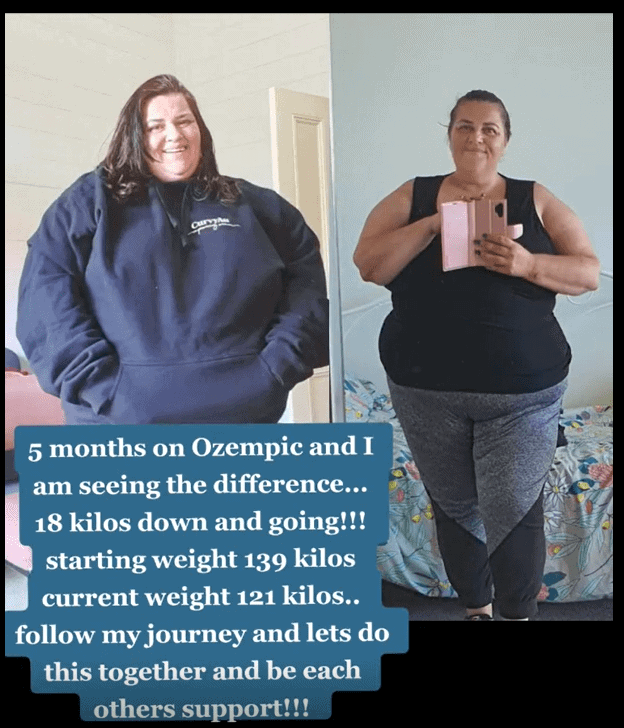
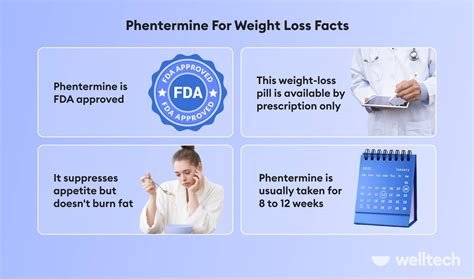
Undeniably, obese people have been cruelly “fat-shamed” by the thoughtless and insensitive, but in the real world some sense of shame can be highly motivating for serious and sincere people. The establishment can use the term “evidence-based” or whatever to remove the “stigma” of obesity, but the goal is not really to improve outcomes, rather it’s a way to virtue signal caring and compassion while keeping the money pouring in. In the Ozempic Nation we aren’t supposed to be cognizant that eating crap and spending our lives in front of screens is the real cause of the obesity epidemic. Nor are the ideas of eating less and healthier and being more physically active to be encouraged beyond obligatory lip-service, because it’s easier to say, “obesity is not due to your poor decision making, and all your problems can go away with this really cool weekly injection.” I might be wrong, but I have a serious suspicion that someday our society as a whole will say, “Wow, we made a really big and expensive mistake when we encouraged those drugs for weight loss. We probably should have stayed with eating better and being more physically active."


Alfred Finocchiaro
Treating a disease whether it be cancer, obesity, diabetes, heart disease, autism is MUCH more profitable than curing the disease. Just take notice of large corporation mergers, Tobacco; Food processing; Pharma... Follow the money. Create a customer for life, until death do they part.
Alfred Finocchiaro
Again, the money is in the treatment. NOT THE CURE!